
 Press
Thought Leadership Series
Press
Thought Leadership SeriesExhibitor Article
Why Trust Matters in the New Food Era
Trust has always been fundamental to the food industry. What has changed is how trust is established, verified, and sustained within increasingly complex, globalised manufacturing environments.
Historically, trust was associated primarily with brands and finished products. Today, it is evaluated through systems: how food is designed, processed, monitored, validated, and documented across multinational operations. Global supply chains, diverse regulatory frameworks, and heightened consumer awareness have sharply reduced tolerance for failure. A single deviation can escalate rapidly into regulatory action, recalls, and long-term reputational damage across markets.
In the new food era, trust must be proactive rather than reactive. It cannot rely on end-product inspection or corrective action after the fact. Instead, trust is engineered upstream through robust process design, hygienic equipment architecture, validated controls, and disciplined execution. Systems must deliver repeatable performance across geographies, capacities, and operating conditions. Variability is no longer merely an efficiency concern; it is a systemic risk.
Digitalisation has further raised expectations. Traceability, data integrity, audit readiness, and real-time process visibility are now baseline requirements for global food manufacturers. Automation, sensors, and data platforms only create value when they reduce human dependency, enforce operating limits, and make deviations immediately visible. Poorly integrated technology, by contrast, can introduce complexity and obscure risk.
Equally critical is organisational mindset. Leading food companies increasingly adopt lifecycle-based decision-making, prioritising reliability, hygienic maintainability, and compliance by design over short-term optimisation. Trust strengthens when equipment, processes, and partners are selected for long-term operability, documentation quality, and accountability.
As the industry evolves, one principle remains constant: trust cannot be inspected into a product at the end of the line. In the new food era, trust is built systematically through engineering discipline, process control, and consistent execution across the entire food value chain worldwide manufacturing ecosystems today.
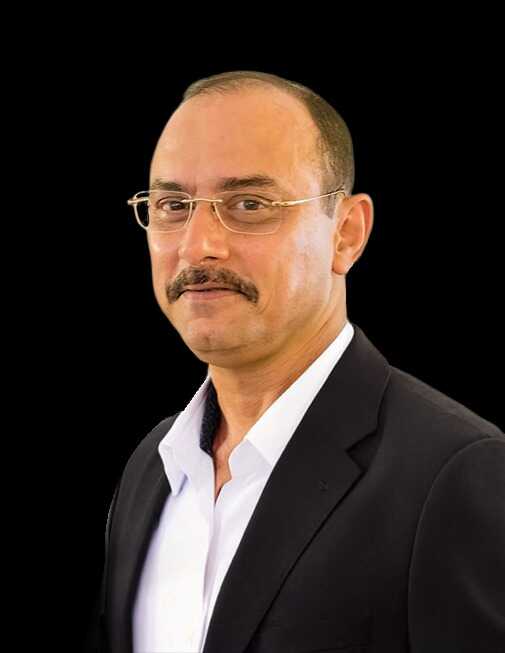
Ajay Desai
Executive Director, Axtel Industries Ltd.